Custom Storage Solutions
SERA manufactures, integrates, and installs storage solutions tailored to your specific requirements
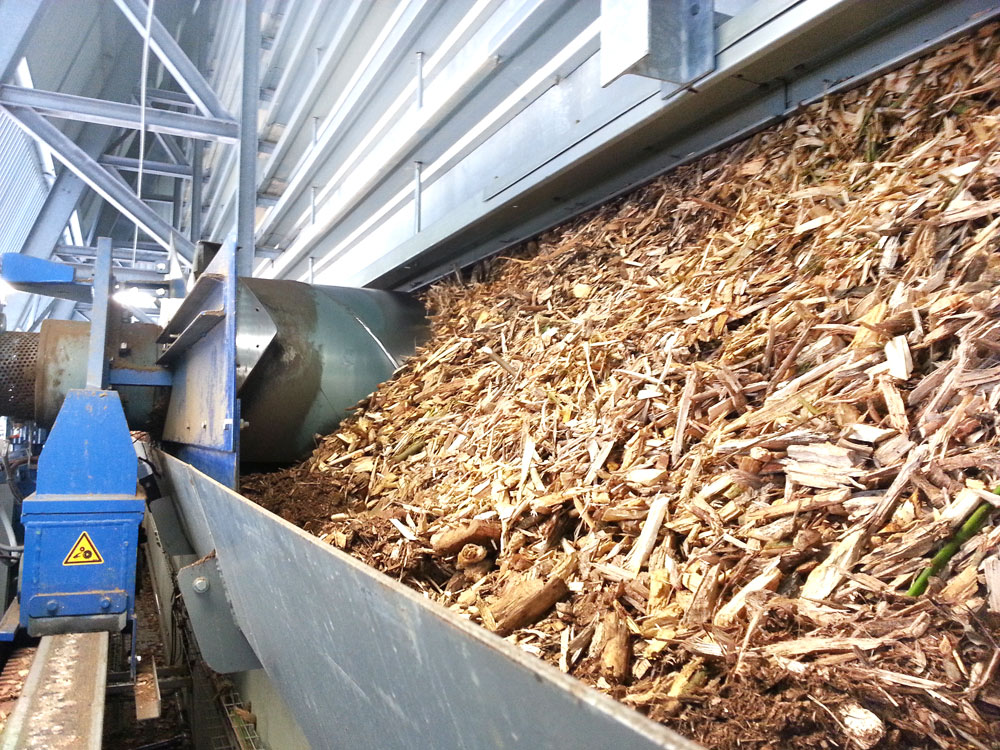
The extraction system for storage silos is at the heart of the feed systems for biomass processing and boiler feeding.
The choice of extraction system is essential to ensure the highest possible availability and uniformity of the biomass, while minimizing operating costs as much as possible.
The choice of extraction system is essential to ensure the highest possible availability and uniformity of the biomass, while minimizing operating costs as much as possible.
SERA technical offer
SERA’s technical offerings provide a wide range of possibilities, which is why it is important to analyze all constraints in order to determine which system should be implemented. The impact on civil engineering is an important factor to consider. That is why our experienced engineers are available to assist you during the preliminary studies.
- Usable storage volume
- Operating cost and power consumption
- Availablity
- Material heterogeneity
- FIFO (First In, First Out)
- Access to the silo
- Thermal radiation in case of fire
- Site cleanliness
- Soil Study
- Architectural constraints
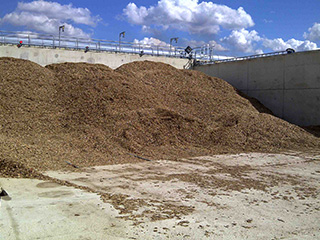
Storage
Our Storage and Retrieval Solutions
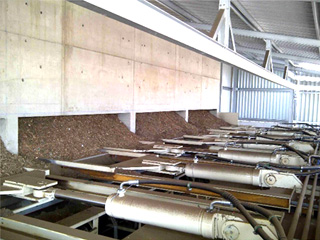
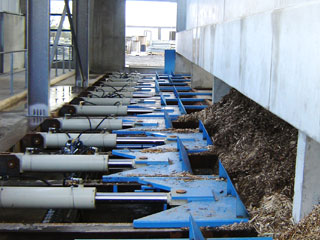
Hydraulic ladders
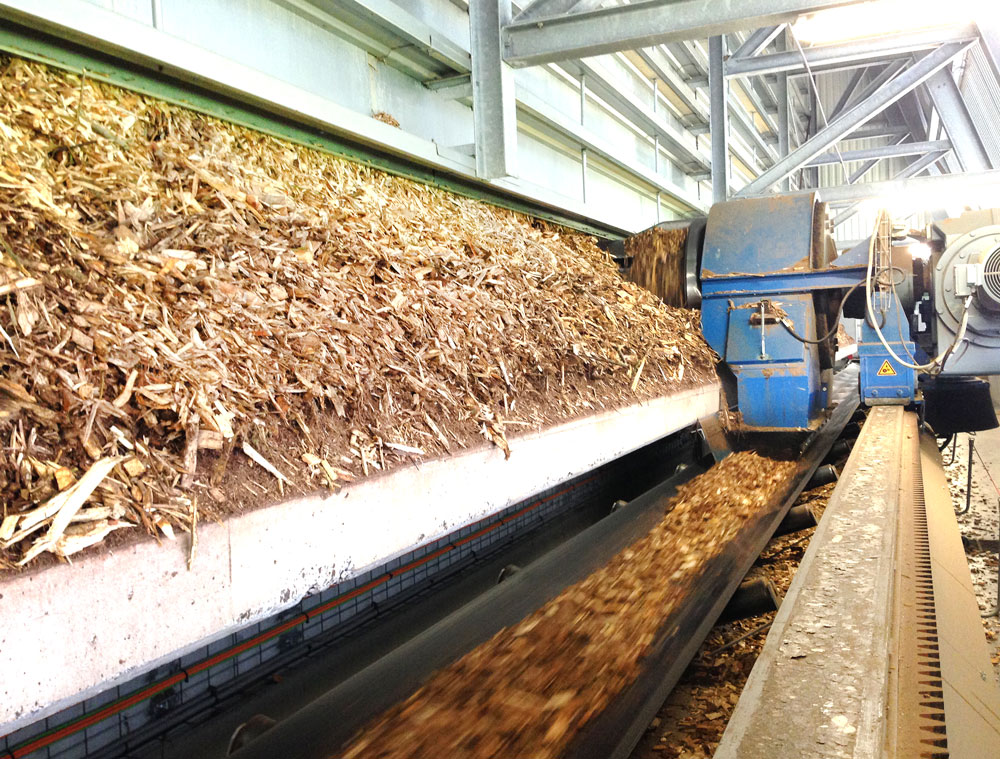
SERA offers a wide range of hydraulic ladders, tailored to specific requirements and needs.
Features:
- Buffer storage capacity of 50 to 200 m³
- Flow rate from 0 to 800 m³/h
- Accepts all types of biomass
- Flow control through natural slope smoothing and a ripper roller
- Safety and Cleanliness in Unloading Operations
Cased screw
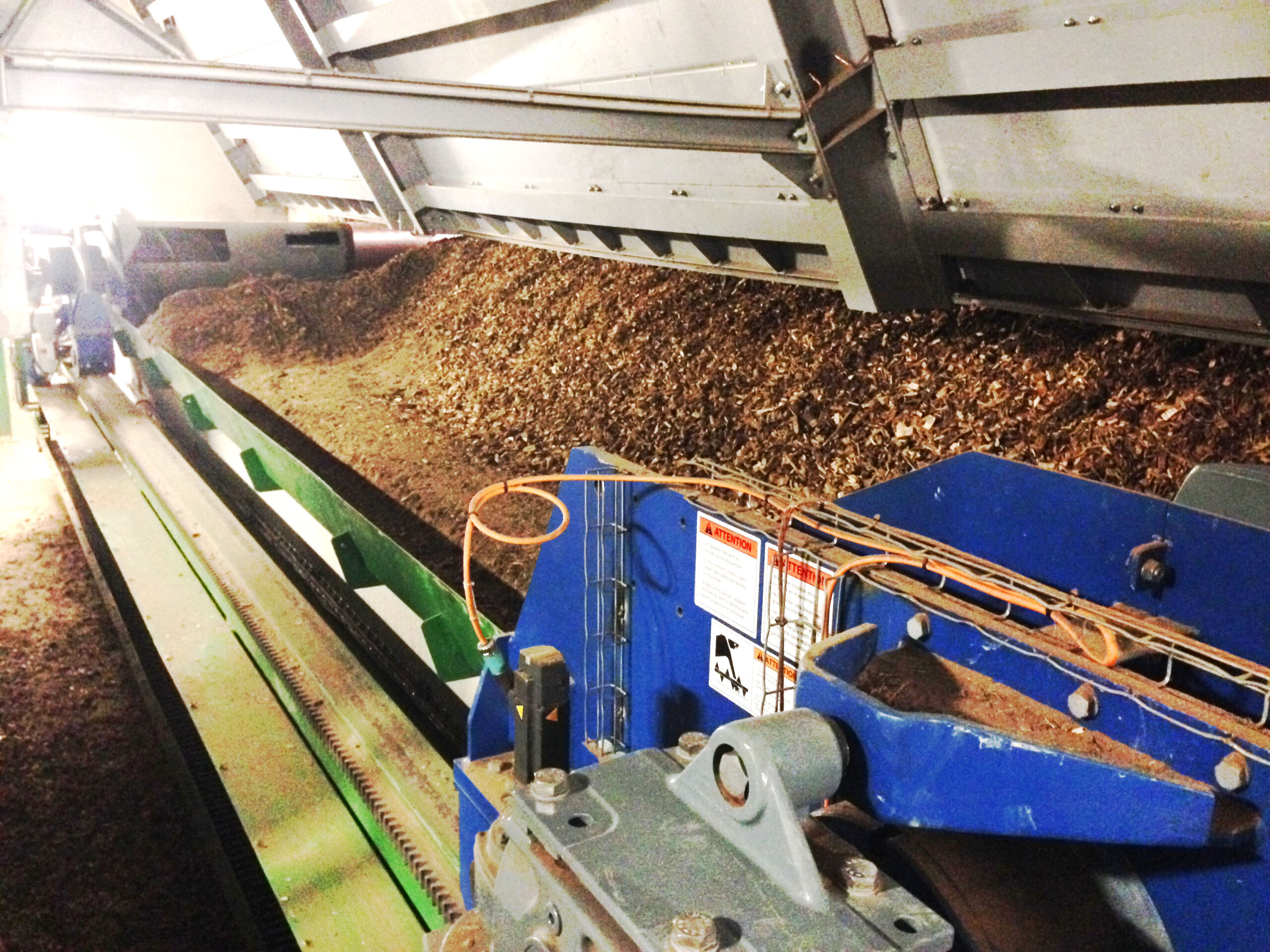
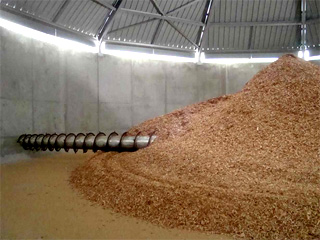
SERA is a forerunner in the integration of this technology in France, the cased screw is particularly suitable for storage silos of 2,500 m3 without volume limit. The operating cost is the lowest of all technologies known to date, with consumption 70% lower than conventional extraction screw systems or hydraulic ladders.
Its low power consumption is directly related to its low mechanical resistance, which will reduce equipment wear by the same proportion.
This extraction method offers all the advantages of bottom-of-silo extraction screws (FIFO, direct access to inventory, easy maintenance access) while ensuring the homogenization of the biomass and reducing the impact of civil engineering work. Unlike conventional, non-tubed extraction screws, the tubed screw places no load on the structures. Protected by the tube, the screw functions simply as a material-handling screw and does not have to bear the weight of the stock.
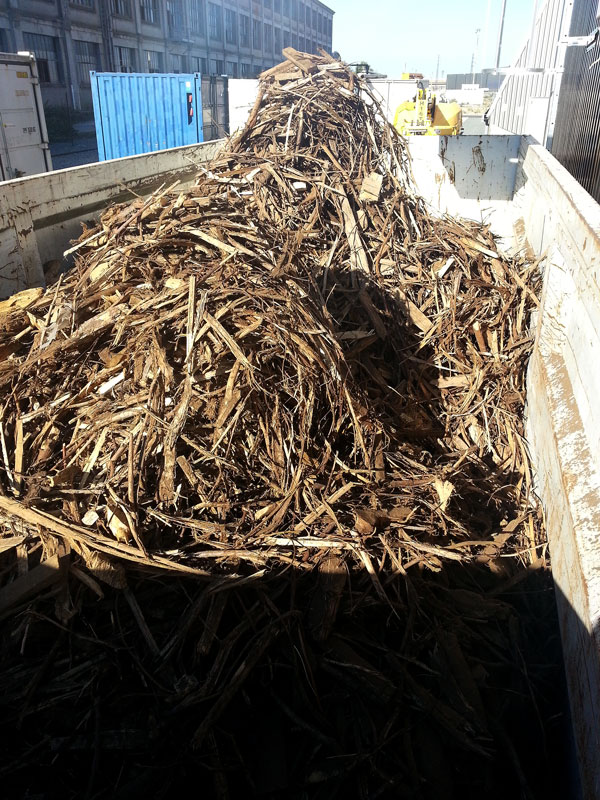
Contrary to appearances, this system is perfectly suited to the needs of poorly calibrated material. Case studies show that this technology can handle heterogeneous biomass with a wide range of particle sizes.
Since the biomass is loaded into the silo from the top, this will naturally create layers of different products depending on the shipments (dry wood, wet wood, wood chips, screen rejects, Class A pallet shreds, different types of wood, etc.).
With the screw conveyor, these layers will be mixed, thereby improving the fuel’s homogeneity in terms of both calorific value and moisture content. This will result in more stable combustion during operation and, consequently, better control of air emissions, particularly NOx.
Planetary screw
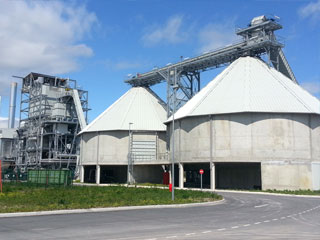
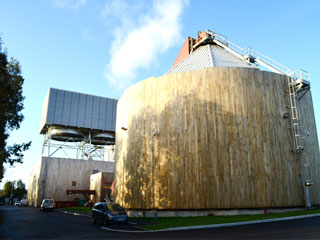
With numerous projects to its credit—particularly in the field of cogeneration boiler fuel supply for major energy companies—SERA guarantees optimal performance through its expertise. This type of circular silo reduces the footprint and minimizes heat radiation thanks to its concrete rings.
Our experience is important because the very design of the silo requires a thorough understanding of the risks of vaulting, access to the silo, and containment-related constraints.
While circular silos are certainly the most commonly used for bulk materials, when it comes to wood biomass, it’s important to consult a specialist like SERA because the requirements are very different.
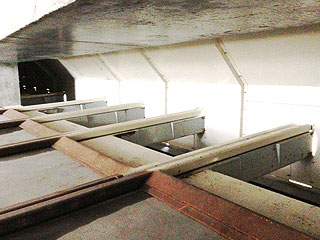
Scrapers
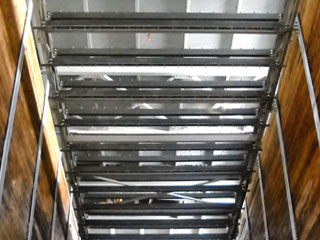
Originally developed for loading trucks with wood chips at the sawmill exit, it was adapted to meet the need for storing fuel for wood-fired biomass boilers. One of its advantages is that it allows for automatic filling and spreading of the silo while feeding the boiler.
Since the system is suspended above the material, electricity consumption and wear and tear are significantly reduced.
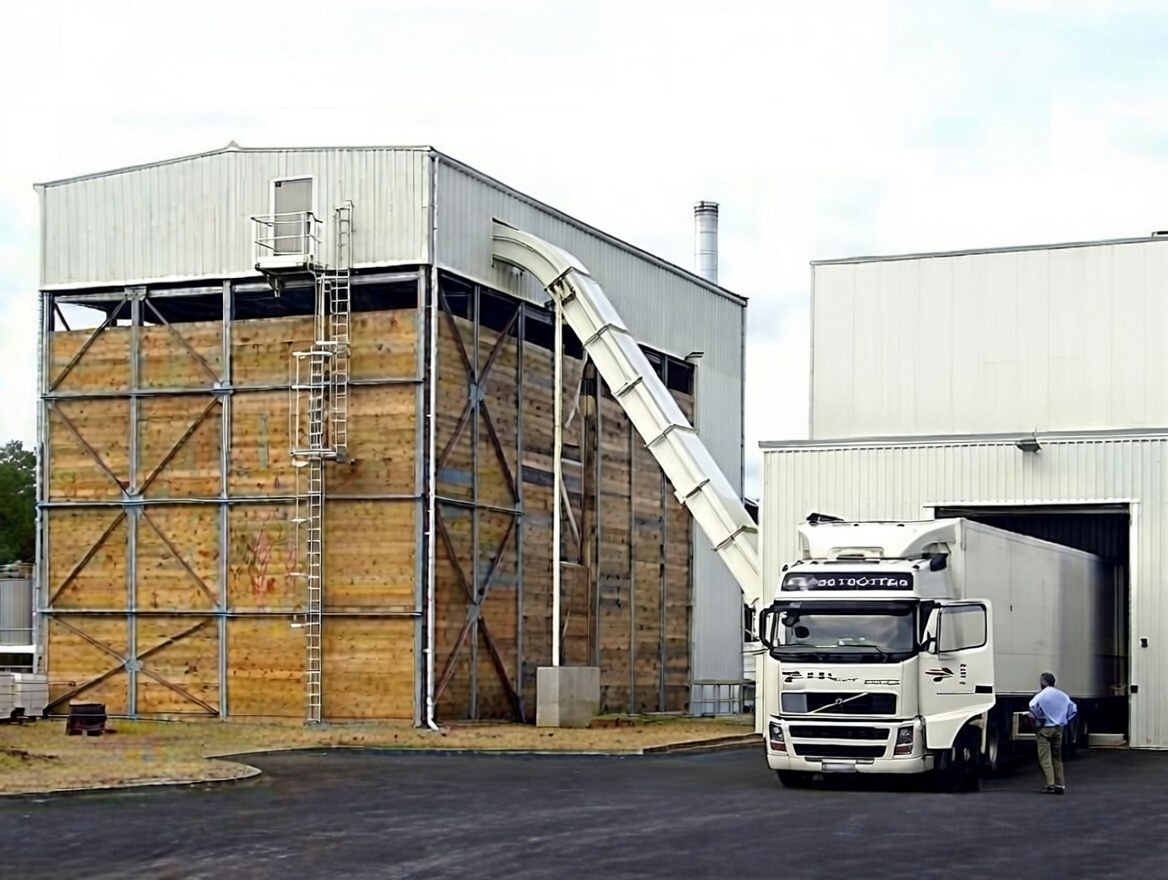
It is generally recommended for storage capacities of less than 2,500 m³ because the 5-meter width of the cells limits the storage volume.
If the number of modules is increased, the impact of the steel structures and civil engineering work will make this system a less suitable choice; furthermore, it is not FIFO. With moist material, it is necessary to install at least two cells in order to implement FIFO.